The Real Cost of Skipping Hearing Tests
The Real Cost of Skipping Hearing Tests
The Real Cost of Skipping Hearing Tests
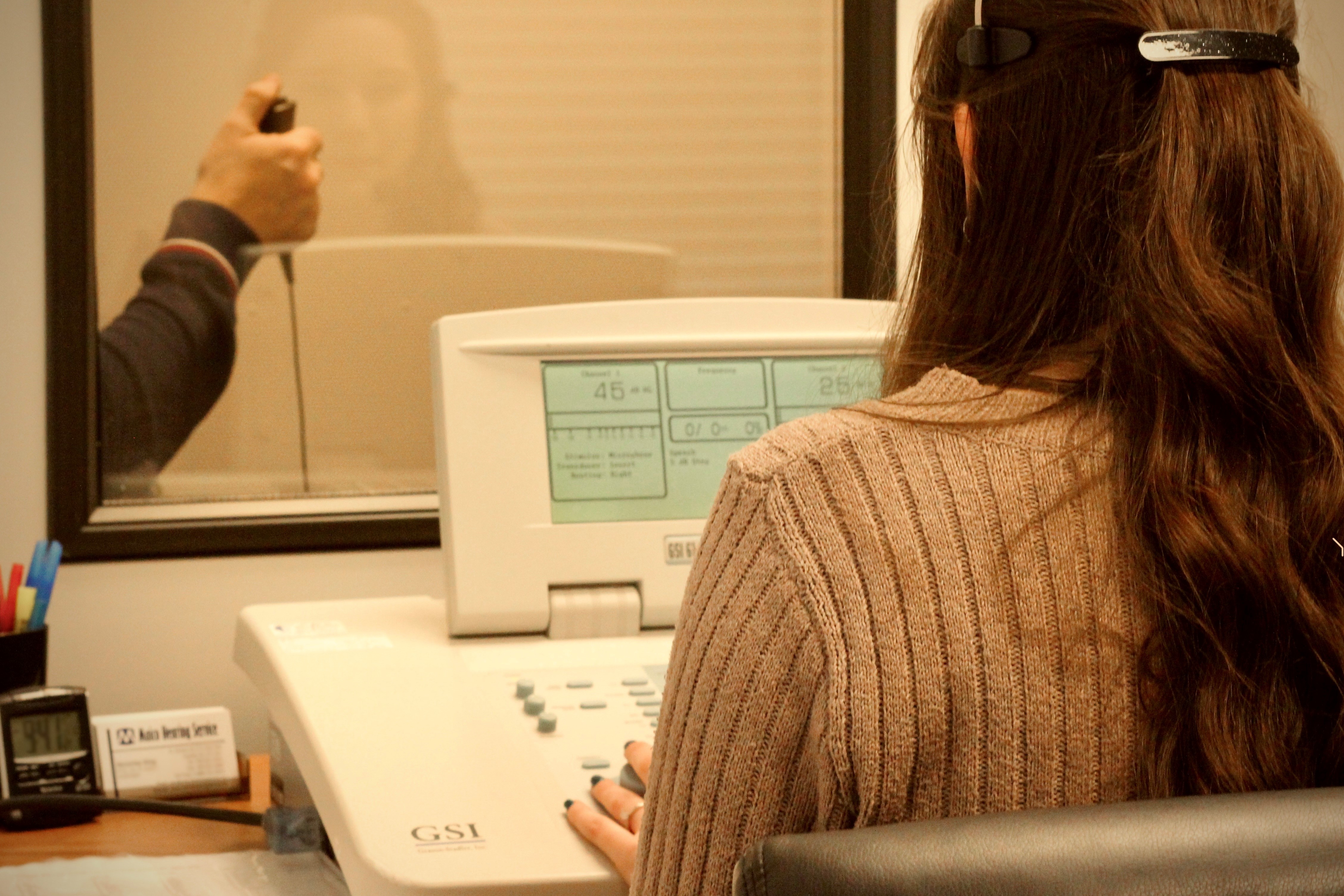
The Real Cost of Skipping Hearing Tests
-
Maico Hearing Service
At Maico Hearing Service, we understand that your hearing health is a vital component of your overall wellness, yet it is often one of the first things to be ignored during a busy year. Many people delay scheduling a hearing test because the onset of hearing loss is typically a very gradual process that does not present an immediate crisis.
You might notice that you are asking others to repeat themselves more frequently or that the volume on the television has slowly increased, but these changes happen over several years. Because the shift is so subtle, it often feels manageable or like an inconvenience rather than a medical priority. You might tell yourself that you can still hear well enough to get by, which leads to the belief that a professional assessment is not yet necessary.
Other individuals assume that hearing tests are only required once communication becomes significantly impacted or impossible. This misconception allows hearing loss to progress quietly in the background without obvious warning signs or physical pain.
By the time the symptoms become impossible to ignore, your auditory system has often been struggling for a significant amount of time. Procrastination is common, but identifying these subtle shifts early can make a profound difference in your future quality of life.
By choosing thorough hearing examinations, you ensure that any decline is caught before it significantly impacts your daily routine or social connections.
What Happens When the Brain Has to Work Harder
Your ears act as the primary doorway to sound, but it is your brain that performs the difficult work of interpretation and making sense of the world. When you experience even a mild amount of hearing loss, the brain must work significantly harder to fill in the missing pieces of sound information.
This process is known as increased listening effort, and it can have a taxing effect on your daily energy levels. However, this extra work comes at a price. The energy your brain uses to decode garbled speech or distant sounds is energy diverted from other essential functions like memory, focus, and logical thinking.
Over time, this constant strain can contribute to significant brain fatigue. You may find yourself feeling exhausted after a simple dinner party or a professional meeting because your brain has been on high alert trying to keep up with the dialogue.
This mental exhaustion often results in reduced mental sharpness and a decreased ability to multitask effectively. When your brain is constantly forced to compensate for a lack of clear input, your cognitive reserves are depleted much faster than they would be with normal hearing. You can rest assured that addressing these issues early helps preserve that vital mental energy for the things you enjoy most.
What the Research Tells Us About Hearing Loss and Cognitive Decline
Recent scientific developments have shed light on the critical link between how you hear and how your brain ages. Research consistently shows an association between untreated hearing loss and an increased risk of cognitive decline.
A landmark study published in The Lancet in 2023 highlighted that managing hearing loss is one of the most significant modifiable risk factors for dementia. The good news is that by addressing hearing concerns early, you are taking a proactive step in protecting your long-term brain health and cognitive clarity.
Reduced sound input means fewer opportunities for the brain to stay stimulated. Just as a muscle requires exercise to stay strong, the auditory cortex requires consistent sound stimulation to remain healthy and active.
Furthermore, social withdrawal caused by hearing difficulties can further compound this risk. If you find it too difficult to participate in group settings, you may begin to avoid them, leading to social isolation.
Why Early Hearing Tests Matter Even If You Don’t Need Hearing Aids
You might wonder why a test is necessary if you are not yet ready for an assistive device. A hearing test creates a baseline for future comparison, which is an invaluable tool for your long-term care.
By establishing where your hearing stands today, our professionals can track changes over time with clinical precision. This data ensures that if your hearing does decline, the transition to support is seamless and based on your specific history.
Subtle changes can be identified much earlier through clinical testing than through subjective observation. You benefit from knowing the exact state of your auditory health before these changes begin to affect your daily life or career.
Not everyone who has a hearing test needs hearing aids, but everyone benefits from knowing where they stand. By relying on a dedicated and local hearing care team, you can see how a simple baseline test provides the clarity and peace of mind needed to move forward confidently.
Hearing Care as a Long-Term Partnership
At Maico Hearing Service, the focus is strictly on your hearing health rather than pushing for the sale of specific devices. You can feel confident that your care is guided by experienced professionals who understand the complex and long-term nature of hearing loss.
Our approach is rooted in the belief that hearing health is a journey, not a single transaction. By consulting with our highly qualified clinical staff, you gain access to experts who prioritize your individual needs and lifestyle over everything else.
With almost six decades of service and deep community roots, we provide a level of trust that ensures your support continues long after your initial visit. Whether you are exploring the most sophisticated hearing devices or simply looking for advice on hearing protection, we are here to help. We encourage you to schedule a hearing test to gain clarity, reassurance, and professional support.
Frequently Asked Questions
I have noticed I struggle to hear in busy restaurants, but I hear fine at home. Is this really a sign of a problem?
Yes, struggling to hear speech in the presence of background noise is often one of the first indicators of hearing loss. While you may feel your hearing is adequate in quiet environments, the difficulty you experience in social settings suggests that your brain is already working harder to filter sound.
Can wearing hearing aids actually stop my memory from getting worse?
While hearing aids are not a direct cure for memory loss, research indicates that they can significantly slow the rate of cognitive decline by reducing the cognitive load on the brain. By providing the brain with clearer sound signals, hearing aids allow you to use your mental energy for processing information and forming memories rather than just trying to decipher the words being said. This reduction in strain is a vital component of long-term brain health and mental acuity.
If my hearing test shows a mild loss, but I am not ready for hearing aids, what happens next?
If a mild loss is detected and you do not feel ready for hearing aids, the next step is typically a monitoring approach with routine assessments. We will use your initial test as a baseline to track any progression with precision. We may also discuss communication strategies and lifestyle adjustments to help you manage your current hearing levels effectively while keeping a close eye on your long-term wellness and brain health.
Sources
The Lancet Commission on Dementia Prevention
This peer-reviewed medical journal provides comprehensive research on the modifiable risk factors for dementia, specifically highlighting the impact of untreated hearing loss on cognitive health.
Canadian Audiologist - The Hearing-Dementia Link
Canadian Audiologist is a premier national resource for auditory health professionals and the public, providing scientific insights into how hearing preservation supports the cognitive well-being of Canadians.
Search
Request a Callback
The Real Cost of Skipping Hearing Tests
-
Maico Hearing Service
At Maico Hearing Service, we understand that your hearing health is a vital component of your overall wellness, yet it is often one of the first things to be ignored during a busy year. Many people delay scheduling a hearing test because the onset of hearing loss is typically a very gradual process that does not present an immediate crisis.
You might notice that you are asking others to repeat themselves more frequently or that the volume on the television has slowly increased, but these changes happen over several years. Because the shift is so subtle, it often feels manageable or like an inconvenience rather than a medical priority. You might tell yourself that you can still hear well enough to get by, which leads to the belief that a professional assessment is not yet necessary.
Other individuals assume that hearing tests are only required once communication becomes significantly impacted or impossible. This misconception allows hearing loss to progress quietly in the background without obvious warning signs or physical pain.
By the time the symptoms become impossible to ignore, your auditory system has often been struggling for a significant amount of time. Procrastination is common, but identifying these subtle shifts early can make a profound difference in your future quality of life.
By choosing thorough hearing examinations, you ensure that any decline is caught before it significantly impacts your daily routine or social connections.
What Happens When the Brain Has to Work Harder
Your ears act as the primary doorway to sound, but it is your brain that performs the difficult work of interpretation and making sense of the world. When you experience even a mild amount of hearing loss, the brain must work significantly harder to fill in the missing pieces of sound information.
This process is known as increased listening effort, and it can have a taxing effect on your daily energy levels. However, this extra work comes at a price. The energy your brain uses to decode garbled speech or distant sounds is energy diverted from other essential functions like memory, focus, and logical thinking.
Over time, this constant strain can contribute to significant brain fatigue. You may find yourself feeling exhausted after a simple dinner party or a professional meeting because your brain has been on high alert trying to keep up with the dialogue.
This mental exhaustion often results in reduced mental sharpness and a decreased ability to multitask effectively. When your brain is constantly forced to compensate for a lack of clear input, your cognitive reserves are depleted much faster than they would be with normal hearing. You can rest assured that addressing these issues early helps preserve that vital mental energy for the things you enjoy most.
What the Research Tells Us About Hearing Loss and Cognitive Decline
Recent scientific developments have shed light on the critical link between how you hear and how your brain ages. Research consistently shows an association between untreated hearing loss and an increased risk of cognitive decline.
A landmark study published in The Lancet in 2023 highlighted that managing hearing loss is one of the most significant modifiable risk factors for dementia. The good news is that by addressing hearing concerns early, you are taking a proactive step in protecting your long-term brain health and cognitive clarity.
Reduced sound input means fewer opportunities for the brain to stay stimulated. Just as a muscle requires exercise to stay strong, the auditory cortex requires consistent sound stimulation to remain healthy and active.
Furthermore, social withdrawal caused by hearing difficulties can further compound this risk. If you find it too difficult to participate in group settings, you may begin to avoid them, leading to social isolation.
Why Early Hearing Tests Matter Even If You Don’t Need Hearing Aids
You might wonder why a test is necessary if you are not yet ready for an assistive device. A hearing test creates a baseline for future comparison, which is an invaluable tool for your long-term care.
By establishing where your hearing stands today, our professionals can track changes over time with clinical precision. This data ensures that if your hearing does decline, the transition to support is seamless and based on your specific history.
Subtle changes can be identified much earlier through clinical testing than through subjective observation. You benefit from knowing the exact state of your auditory health before these changes begin to affect your daily life or career.
Not everyone who has a hearing test needs hearing aids, but everyone benefits from knowing where they stand. By relying on a dedicated and local hearing care team, you can see how a simple baseline test provides the clarity and peace of mind needed to move forward confidently.
Hearing Care as a Long-Term Partnership
At Maico Hearing Service, the focus is strictly on your hearing health rather than pushing for the sale of specific devices. You can feel confident that your care is guided by experienced professionals who understand the complex and long-term nature of hearing loss.
Our approach is rooted in the belief that hearing health is a journey, not a single transaction. By consulting with our highly qualified clinical staff, you gain access to experts who prioritize your individual needs and lifestyle over everything else.
With almost six decades of service and deep community roots, we provide a level of trust that ensures your support continues long after your initial visit. Whether you are exploring the most sophisticated hearing devices or simply looking for advice on hearing protection, we are here to help. We encourage you to schedule a hearing test to gain clarity, reassurance, and professional support.
Frequently Asked Questions
I have noticed I struggle to hear in busy restaurants, but I hear fine at home. Is this really a sign of a problem?
Yes, struggling to hear speech in the presence of background noise is often one of the first indicators of hearing loss. While you may feel your hearing is adequate in quiet environments, the difficulty you experience in social settings suggests that your brain is already working harder to filter sound.
Can wearing hearing aids actually stop my memory from getting worse?
While hearing aids are not a direct cure for memory loss, research indicates that they can significantly slow the rate of cognitive decline by reducing the cognitive load on the brain. By providing the brain with clearer sound signals, hearing aids allow you to use your mental energy for processing information and forming memories rather than just trying to decipher the words being said. This reduction in strain is a vital component of long-term brain health and mental acuity.
If my hearing test shows a mild loss, but I am not ready for hearing aids, what happens next?
If a mild loss is detected and you do not feel ready for hearing aids, the next step is typically a monitoring approach with routine assessments. We will use your initial test as a baseline to track any progression with precision. We may also discuss communication strategies and lifestyle adjustments to help you manage your current hearing levels effectively while keeping a close eye on your long-term wellness and brain health.
Sources
The Lancet Commission on Dementia Prevention
This peer-reviewed medical journal provides comprehensive research on the modifiable risk factors for dementia, specifically highlighting the impact of untreated hearing loss on cognitive health.
Canadian Audiologist - The Hearing-Dementia Link
Canadian Audiologist is a premier national resource for auditory health professionals and the public, providing scientific insights into how hearing preservation supports the cognitive well-being of Canadians.
Search
Request a Callback
The Real Cost of Skipping Hearing Tests
-
Maico Hearing Service
At Maico Hearing Service, we understand that your hearing health is a vital component of your overall wellness, yet it is often one of the first things to be ignored during a busy year. Many people delay scheduling a hearing test because the onset of hearing loss is typically a very gradual process that does not present an immediate crisis.
You might notice that you are asking others to repeat themselves more frequently or that the volume on the television has slowly increased, but these changes happen over several years. Because the shift is so subtle, it often feels manageable or like an inconvenience rather than a medical priority. You might tell yourself that you can still hear well enough to get by, which leads to the belief that a professional assessment is not yet necessary.
Other individuals assume that hearing tests are only required once communication becomes significantly impacted or impossible. This misconception allows hearing loss to progress quietly in the background without obvious warning signs or physical pain.
By the time the symptoms become impossible to ignore, your auditory system has often been struggling for a significant amount of time. Procrastination is common, but identifying these subtle shifts early can make a profound difference in your future quality of life.
By choosing thorough hearing examinations, you ensure that any decline is caught before it significantly impacts your daily routine or social connections.
What Happens When the Brain Has to Work Harder
Your ears act as the primary doorway to sound, but it is your brain that performs the difficult work of interpretation and making sense of the world. When you experience even a mild amount of hearing loss, the brain must work significantly harder to fill in the missing pieces of sound information.
This process is known as increased listening effort, and it can have a taxing effect on your daily energy levels. However, this extra work comes at a price. The energy your brain uses to decode garbled speech or distant sounds is energy diverted from other essential functions like memory, focus, and logical thinking.
Over time, this constant strain can contribute to significant brain fatigue. You may find yourself feeling exhausted after a simple dinner party or a professional meeting because your brain has been on high alert trying to keep up with the dialogue.
This mental exhaustion often results in reduced mental sharpness and a decreased ability to multitask effectively. When your brain is constantly forced to compensate for a lack of clear input, your cognitive reserves are depleted much faster than they would be with normal hearing. You can rest assured that addressing these issues early helps preserve that vital mental energy for the things you enjoy most.
What the Research Tells Us About Hearing Loss and Cognitive Decline
Recent scientific developments have shed light on the critical link between how you hear and how your brain ages. Research consistently shows an association between untreated hearing loss and an increased risk of cognitive decline.
A landmark study published in The Lancet in 2023 highlighted that managing hearing loss is one of the most significant modifiable risk factors for dementia. The good news is that by addressing hearing concerns early, you are taking a proactive step in protecting your long-term brain health and cognitive clarity.
Reduced sound input means fewer opportunities for the brain to stay stimulated. Just as a muscle requires exercise to stay strong, the auditory cortex requires consistent sound stimulation to remain healthy and active.
Furthermore, social withdrawal caused by hearing difficulties can further compound this risk. If you find it too difficult to participate in group settings, you may begin to avoid them, leading to social isolation.
Why Early Hearing Tests Matter Even If You Don’t Need Hearing Aids
You might wonder why a test is necessary if you are not yet ready for an assistive device. A hearing test creates a baseline for future comparison, which is an invaluable tool for your long-term care.
By establishing where your hearing stands today, our professionals can track changes over time with clinical precision. This data ensures that if your hearing does decline, the transition to support is seamless and based on your specific history.
Subtle changes can be identified much earlier through clinical testing than through subjective observation. You benefit from knowing the exact state of your auditory health before these changes begin to affect your daily life or career.
Not everyone who has a hearing test needs hearing aids, but everyone benefits from knowing where they stand. By relying on a dedicated and local hearing care team, you can see how a simple baseline test provides the clarity and peace of mind needed to move forward confidently.
Hearing Care as a Long-Term Partnership
At Maico Hearing Service, the focus is strictly on your hearing health rather than pushing for the sale of specific devices. You can feel confident that your care is guided by experienced professionals who understand the complex and long-term nature of hearing loss.
Our approach is rooted in the belief that hearing health is a journey, not a single transaction. By consulting with our highly qualified clinical staff, you gain access to experts who prioritize your individual needs and lifestyle over everything else.
With almost six decades of service and deep community roots, we provide a level of trust that ensures your support continues long after your initial visit. Whether you are exploring the most sophisticated hearing devices or simply looking for advice on hearing protection, we are here to help. We encourage you to schedule a hearing test to gain clarity, reassurance, and professional support.
Frequently Asked Questions
I have noticed I struggle to hear in busy restaurants, but I hear fine at home. Is this really a sign of a problem?
Yes, struggling to hear speech in the presence of background noise is often one of the first indicators of hearing loss. While you may feel your hearing is adequate in quiet environments, the difficulty you experience in social settings suggests that your brain is already working harder to filter sound.
Can wearing hearing aids actually stop my memory from getting worse?
While hearing aids are not a direct cure for memory loss, research indicates that they can significantly slow the rate of cognitive decline by reducing the cognitive load on the brain. By providing the brain with clearer sound signals, hearing aids allow you to use your mental energy for processing information and forming memories rather than just trying to decipher the words being said. This reduction in strain is a vital component of long-term brain health and mental acuity.
If my hearing test shows a mild loss, but I am not ready for hearing aids, what happens next?
If a mild loss is detected and you do not feel ready for hearing aids, the next step is typically a monitoring approach with routine assessments. We will use your initial test as a baseline to track any progression with precision. We may also discuss communication strategies and lifestyle adjustments to help you manage your current hearing levels effectively while keeping a close eye on your long-term wellness and brain health.
Sources
The Lancet Commission on Dementia Prevention
This peer-reviewed medical journal provides comprehensive research on the modifiable risk factors for dementia, specifically highlighting the impact of untreated hearing loss on cognitive health.
Canadian Audiologist - The Hearing-Dementia Link
Canadian Audiologist is a premier national resource for auditory health professionals and the public, providing scientific insights into how hearing preservation supports the cognitive well-being of Canadians.
Search
Request a Callback
Request a Callback
For over 56 years, families and doctors in our community have trusted us with all things hearing. Have a question or need some friendly, no-pressure advice about your or a loved one’s hearing?
Just fill out this form, and we'll give you a call back as soon as possible, to answer all your questions.

Request a Callback
For over 56 years, families and doctors in our community have trusted us with all things hearing. Have a question or need some friendly, no-pressure advice about your or a loved one’s hearing?
Just fill out this form, and we'll give you a call back as soon as possible, to answer all your questions.
Request a Callback
For over 56 years, families and doctors in our community have trusted us with all things hearing. Have a question or need some friendly, no-pressure advice about your or a loved one’s hearing?
Just fill out this form, and we'll give you a call back as soon as possible, to answer all your questions.
News
Patient Resources
Our latest hearing health related articles, news & resources

Maico Hearing Service Sweeps Top Spots in Community Votes 2026
Maico Sweeps Community Votes 2026 Hearing Categories

Supporting Local Heroes: How Your Hearing Assessment Can Help the Burin Peninsula Ground Search and Rescue Team
Your commitment to your well-being helped strengthen the safety net for everyone in our community.

Love Local: Celebrating Community and Connection
When you take a moment to look around your community, what do you see?
News
Patient Resources
Our latest hearing health related articles, news & resources
Maico Hearing Service Sweeps Top Spots in Community Votes 2026
Maico Sweeps Community Votes 2026 Hearing Categories
Supporting Local Heroes: How Your Hearing Assessment Can Help the Burin Peninsula Ground Search and Rescue Team
Your commitment to your well-being helped strengthen the safety net for everyone in our community.
Love Local: Celebrating Community and Connection
When you take a moment to look around your community, what do you see?
News
Patient Resources
Our latest hearing health related articles, news & resources
Maico Hearing Service Sweeps Top Spots in Community Votes 2026
Maico Sweeps Community Votes 2026 Hearing Categories
Supporting Local Heroes: How Your Hearing Assessment Can Help the Burin Peninsula Ground Search and Rescue Team
Your commitment to your well-being helped strengthen the safety net for everyone in our community.
Love Local: Celebrating Community and Connection
When you take a moment to look around your community, what do you see?